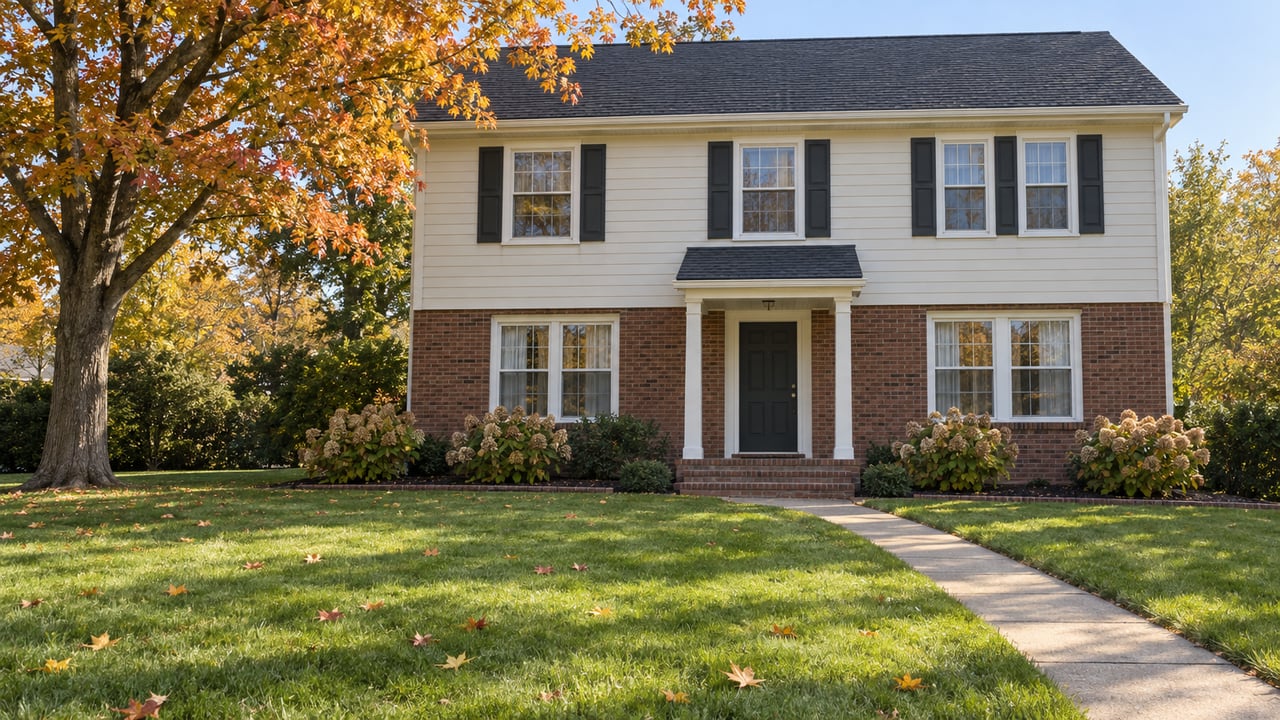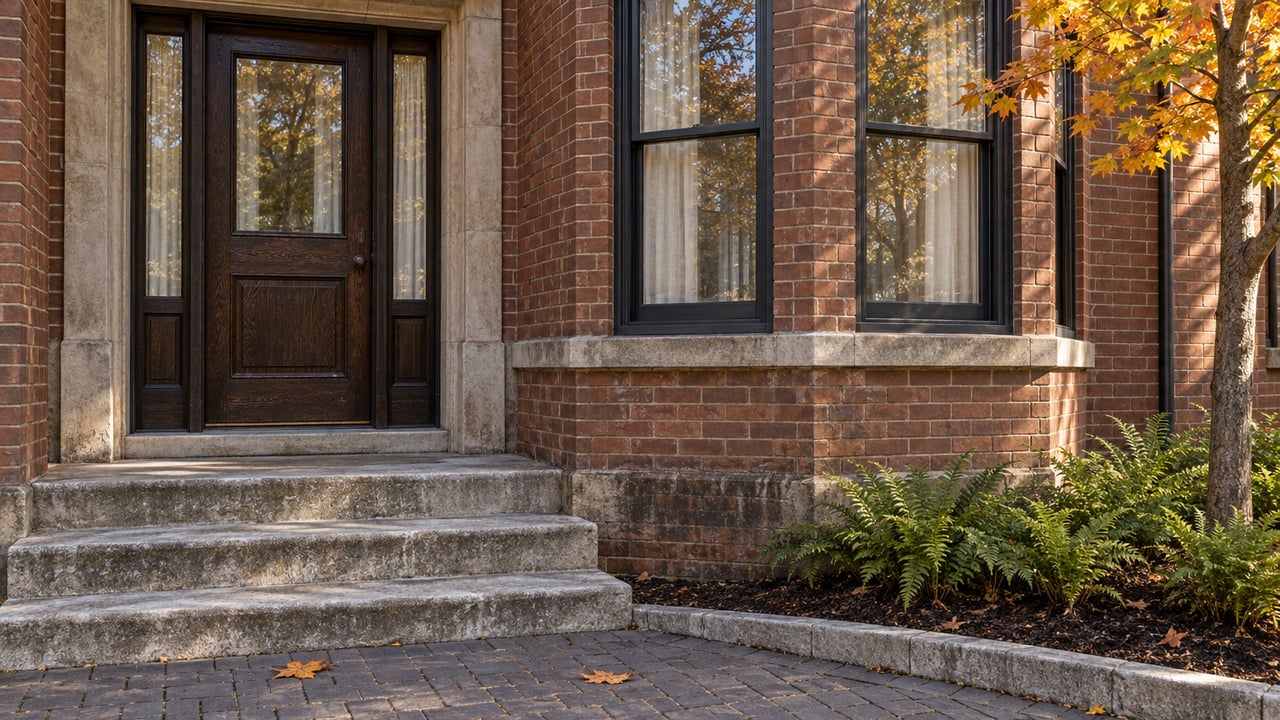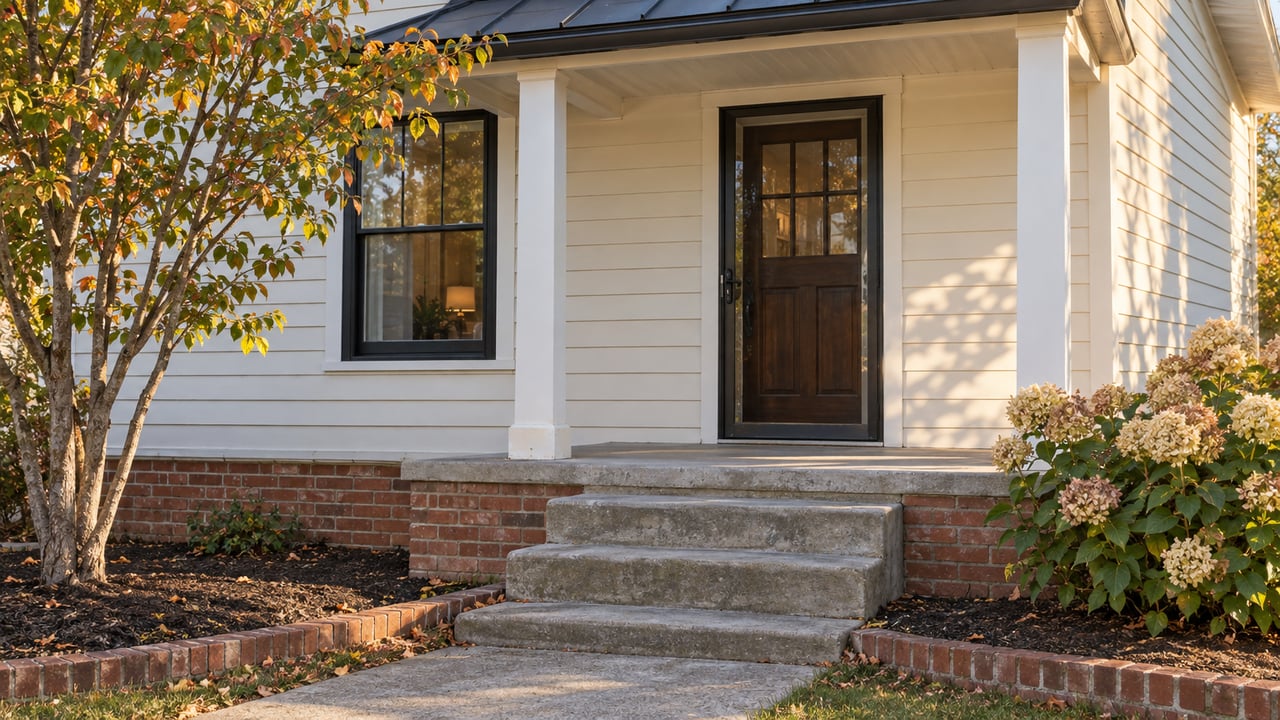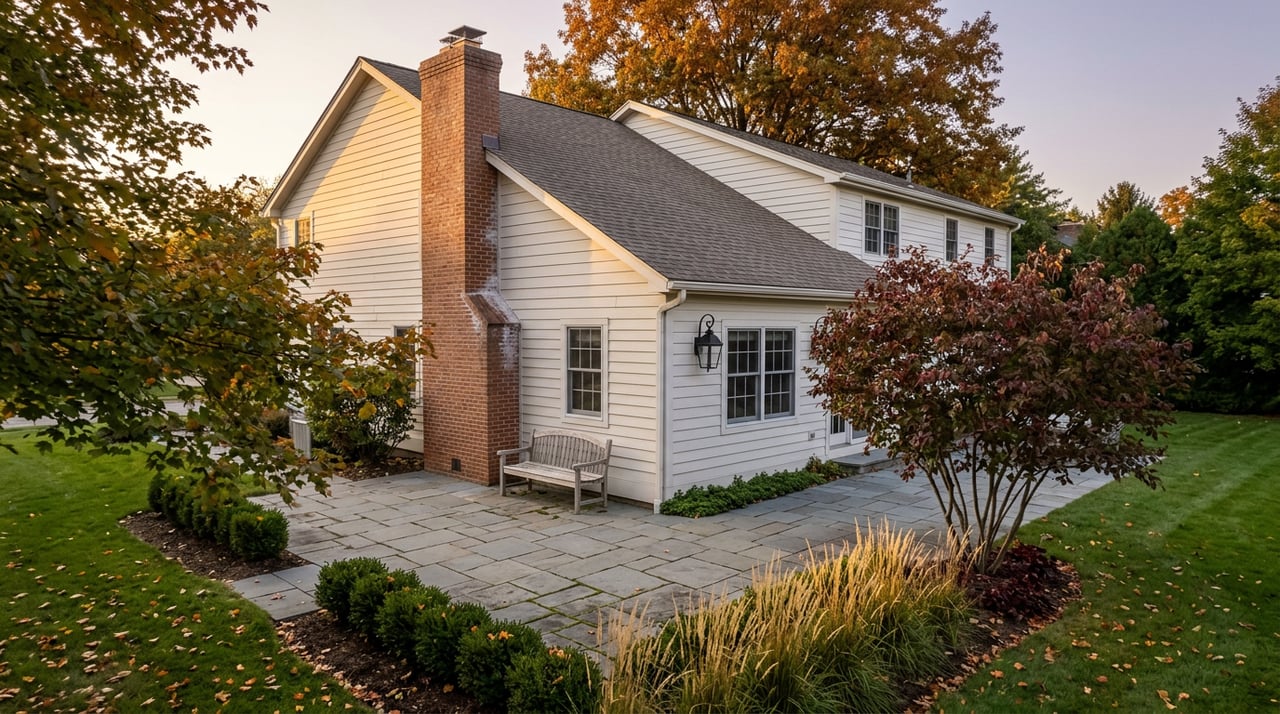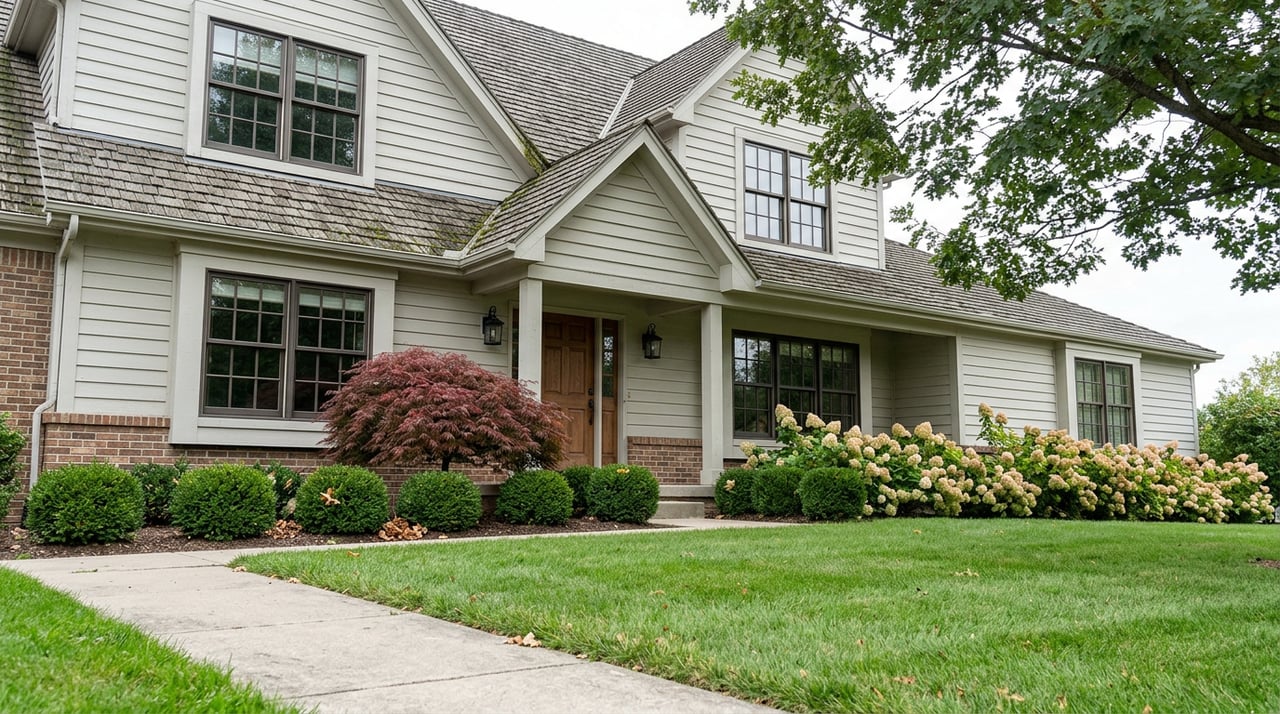
Picture two ranch homes three doors apart in South Cheektowaga. Same era, same lot size, same distance from the runway. One has thick, sound-rated windows installed years ago through a federal program. The other has whatever came with the house in 1968. From the street, you cannot tell which is which. Neither can most agents.
That is the situation buyers and sellers near Buffalo Niagara International Airport are actually working with right now, and it matters more than the usual assumption that homes near an airport simply sell for less.
Where the Program Went for Ten Years
The airport's noise mitigation effort has a name: the Quieter Home Program. It grew out of a federal Part 150 Study, the standard process airport operators use to measure noise impact and plan remedies under FAA guidelines. The program ran for years, insulating and improving more than 1,100 homes and reaching over 2,600 residents around BNIA. Then, as of 2016, it was done. Completed. No further federal funding available for any additional mitigation.
That is the version of the story most people in Cheektowaga grew up with. If your house got the upgrade, you got it years ago. If it didn't, the door had closed.
What Restarted in June 2026
It reopened. In June 2026, New York's U.S. senators announced a new $5.2 million federal grant to insulate or improve 187 homes across Cheektowaga, Amherst, and Williamsville, the communities closest to the flight paths where the Buffalo News reported the sound of planes coming and going poses a real problem for residents. Nearly 600 people are expected to benefit.
Here is the part that matters if you are house hunting or getting ready to list: the Niagara Frontier Transportation Authority, which administers the grant, has not released specific street locations for the homes eligible under the program.
Until those locations are published, buyers and sellers cannot confirm whether a particular address qualifies.
The Runway Is Already Changing What You'll Hear This Fall
There's a second layer happening at the same time, and it's not a policy footnote. It's live construction. BNIA is in the middle of rehabilitating Runway 5-23, its primary runway. A hard closure began August 1, 2026 and runs through October 1, after which it shifts to overnight-only closures until November 1. During this stretch, the airport itself has said planes will use alternative flight paths on Runway 14-32 more often, which means the sound pattern overhead right now is not the normal one.
If you're touring homes in Cheektowaga this September, what you hear during a showing may not represent what a buyer would hear in December. That's not a reason to avoid a neighborhood. It's a reason to ask when the flight pattern you're experiencing is temporary and when it's just how the street sounds.
What This Actually Does to the Market
None of this shows up as a line item on a listing sheet, and the market data doesn't sort itself neatly by noise exposure either. As of June 2026, Cheektowaga's median home price sat at $279,900, with an average sale price of $285,537. Over the trailing 12 months, the median sale price ran $267,500, up 16% from the prior 12-month period. Homes were moving fast, too, spending a median of just 25 days on market in June 2026 compared to a national figure closer to 58 days. Listings that month ranged from $99,900 up to $975,000, a spread wide enough to include everything from a starter ranch to a move-up property with room to spare.
That price growth and quick pace tell you buyers are not broadly discounting Cheektowaga for airport proximity. If they were, you'd expect softer appreciation and longer market times, not the opposite. What's more likely is that the effect is local and specific rather than townwide: it shows up house by house, block by block, tied less to "Cheektowaga" as a whole and more to which flight path a given street sits under and whether that house has already been treated for it.
The housing stock backs this up. South Cheektowaga's older ranches and split-levels, sitting closer together on smaller lots near the airport, were often built or later retrofitted with sound-rated windows and doors specifically because of that proximity. Farther north, in Pine Hill and Maryvale, homes tend to be newer, spaced farther apart, and simply less exposed to begin with. Two areas of the same town, two different relationships to the same airport.
Questions Worth Asking Before You Assume Either Way
If you're evaluating a home near BNIA right now, a few practical questions do more good than a general sense that "it's near the airport, so it's probably cheaper":
- Has this specific house already received sound insulation, either under the original program that closed in 2016 or informally by a past owner?
- Is the address in one of the three communities named in the new grant, and if so, is it worth asking NFTA directly whether the property falls in the eligible zone once street-level details are published?
- When you toured the home, was that during the current runway construction window, and would the pattern be different once the project wraps?
- For sellers, if your home already has documented sound mitigation, is that being mentioned anywhere in your listing, or is it sitting in a file nobody's asked about?
None of this is disclosure law. It's due diligence that happens to be unusually well-timed, because a federal program most people assumed was permanently closed just reopened with money attached.
Cheektowaga Is Still Cheektowaga
None of this changes what makes the town work day to day. Walden Galleria still anchors the retail corridor with well over a hundred restaurants and stores under one roof. Transit Road still runs past Walmart, Wegmans, and the Flix Stadium multiplex. Costanzo's and Anderson's are still where people go for rolls and milkshakes that predate most of the housing stock this article is about, and WinterFest and the Cheektowaga Polish-American Arts Festival still mark the calendar the way they always have. The airport is part of the town's identity, not a flaw in it. The point isn't that noise ruins a neighborhood. It's that a specific, dollar-backed, currently-unresolved eligibility question is sitting on top of a market that's already moving fast, and the buyers who ask about it now are working with better information than the ones who don't.
A Few Questions Worth Asking Directly
Does living near BNIA automatically lower a home's value in Cheektowaga? The town's own price growth and pace of sales through June 2026 suggest not uniformly. The effect appears to be tied to specific streets and flight paths rather than the town as a whole.
How would I find out if a home already has sound insulation from the original program? Start with the current owner or listing agent, and consider reaching out to NFTA directly, since the agency administers both the historical program and the new grant.
When does the current runway construction end? The hard closure of Runway 5-23 runs through October 1, 2026, shifting to overnight-only closures until November 1, 2026, after which normal patterns should resume.
If you're weighing a home near the airport, or you're on the other side wondering how to position one that's already been quietly upgraded, this is exactly the kind of local detail worth walking through together. Nicholas Lunetta works Cheektowaga and the surrounding towns regularly and can help you figure out what a specific address is actually dealing with. Let's Connect.
This article is general information, not legal, tax or financial advice. Consult a qualified professional about your situation.